Can CleanShield™ Protect Porous Natural Stone?
Yes, for selected porous natural stone applications subject to surface testing. CleanShield can be applied to selected marble, limestone and travertine surfaces with a crystallised / sealing-type protective surface layer.
Porous stone needs a different surface-care approach
CleanShield™ can be applied to selected porous natural stone, including marble, limestone and travertine.
After application, CleanShield can form a crystallised / sealing-type protective surface layer. The intended effect is to reduce the penetration and staining impact of everyday contaminants and make routine cleaning and maintenance easier.
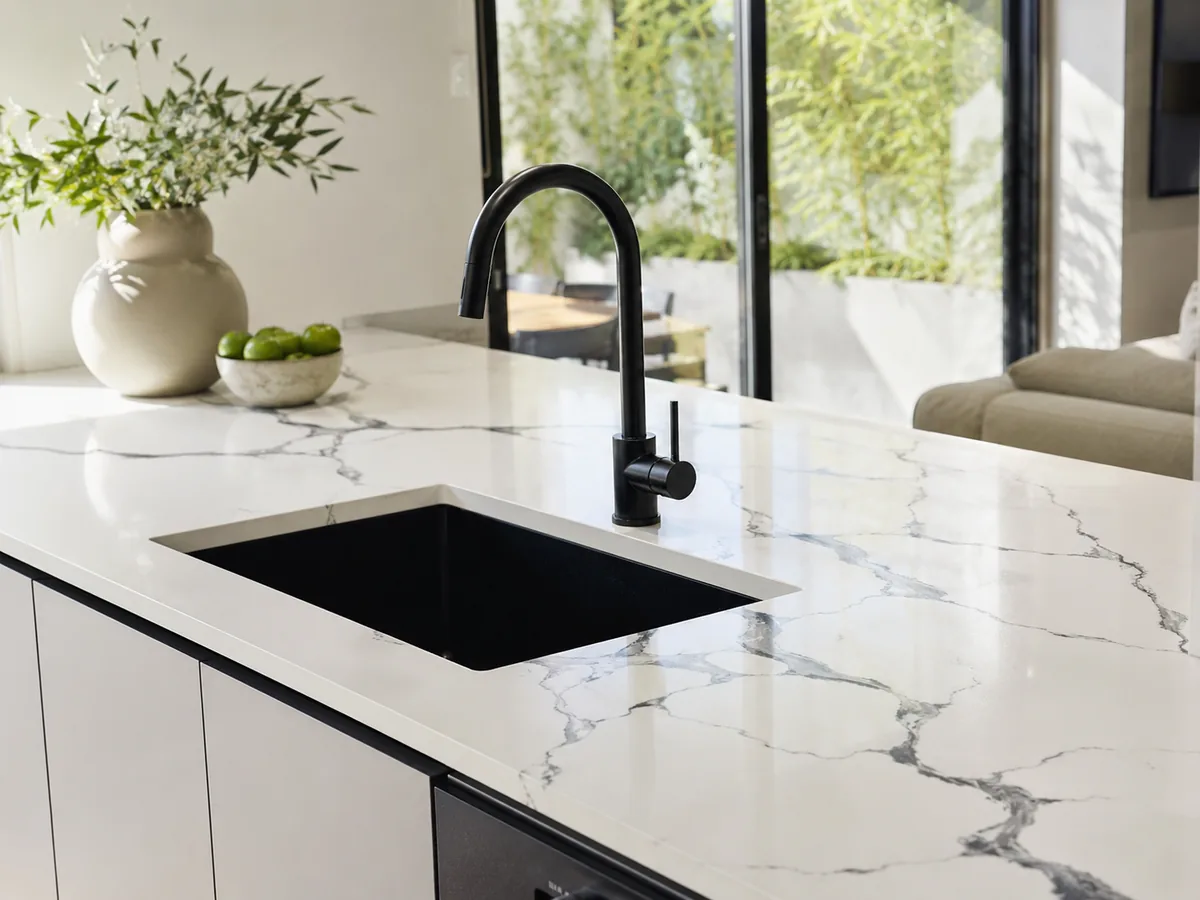
Cooking oil, soy sauce and household staining
Cooking oil
On untreated porous stone, oils can penetrate the surface. CleanShield may help reduce penetration and make cleanup easier.
Soy sauce & food spills
Dark liquid contaminants can be difficult to remove from porous stone. A protective surface layer may reduce the staining effect when spills are addressed promptly.
Routine care
The coating complements appropriate stone cleaning and maintenance; it does not make natural stone maintenance-free.
Why small-area testing matters
Natural stone is not uniform. Porosity, mineral composition, polish, honed finish, fillers, sealers, restoration history and age can all affect coating behaviour. Test on a low-visibility area and allow full curing before proceeding with the entire surface.
Frequently Asked Questions
Can CleanShield™ be used on marble?
CleanShield can be applied to selected porous marble surfaces. Because marble varies in porosity, finish and prior treatment, small-area testing is recommended.
Can it help protect stone from cooking oil?
On selected porous stone, the crystallised / sealing-type protective layer may help reduce oil penetration and make the surface easier to clean. This should not be interpreted as a guarantee of complete stain prevention.
Can it help with soy sauce staining?
The protective surface layer can help reduce the penetration and staining effect of everyday contaminants such as soy sauce on selected porous stone. Results vary by stone and application.
Is it suitable for limestone and travertine?
It can be considered for selected porous limestone and travertine surfaces, subject to small-area testing and confirmation of the existing finish and prior treatments.
Why is small-area testing recommended?
Natural stone varies in porosity, mineral composition, finish and prior treatment. A small-area test helps confirm appearance and compatibility before full application.
Natural stone is part of the broader Stone & Tile application line
For selected ceramic and porcelain tile surfaces, finish and porosity can affect compatibility. See the broader Stone & Tile guide for tile-specific suitability guidance.
Discuss your surface or service application
Send Nusfun a photo, surface description or partner enquiry for preliminary guidance.
Natural stone within the Nusfun solution ecosystem
For projects involving natural marble panels, see EcoMarble™, Nusfun’s ultra-thin natural marble platform. CleanShield™ is a separate surface-protection product. Surface compatibility should be assessed and a small-area test completed before treatment of any specific stone product or finish.